The impact of gambling on mental health what you need to know
The Psychological Effects of Gambling
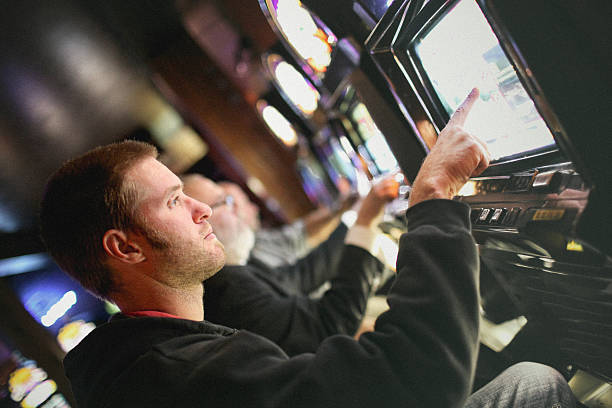
The psychological effects of gambling can be profound, often leading to mental health issues such as anxiety and depression. When individuals engage in gambling activities, the thrill of winning can trigger a release of dopamine, a neurotransmitter associated with pleasure. Many find that using the casino mafia online app enhances their gaming experience. However, this fleeting euphoria can easily transition into feelings of despair and anxiety, especially when losses mount. Over time, the pursuit of that elusive high can lead to a cycle of compulsive behavior, where individuals gamble not just for fun but as a means to escape their emotional turmoil.

Moreover, the anticipation and stress of gambling can contribute to chronic anxiety, as individuals often worry about their financial status and the consequences of their betting decisions. This heightened anxiety can spill over into other areas of life, creating difficulties in personal relationships and professional responsibilities. As individuals become more entrenched in their gambling habits, it becomes increasingly challenging for them to manage these feelings effectively, leading to a downward spiral of mental health decline.
In extreme cases, gambling can culminate in gambling addiction, classified as a behavioral addiction akin to substance abuse. This addiction is characterized by an inability to resist the urge to gamble, leading to significant personal and financial repercussions. Those affected may experience intense emotional distress, feelings of guilt, and shame, further exacerbating their mental health issues. Recognizing these psychological effects is crucial for individuals and families affected by gambling, as it underscores the importance of seeking help when necessary.
The Connection Between Gambling and Depression
Gambling and depression are closely linked, with many individuals finding themselves in a downward spiral where one exacerbates the other. The momentary highs associated with gambling can mask underlying depressive feelings, but these feelings often return more intensely once the gambling ends. This cycle creates a toxic loop where individuals gamble to escape their depression, only to fall deeper into it due to losses and the financial burden of their addiction.
Research indicates that individuals with a history of depression are more likely to engage in gambling as a coping mechanism. Unfortunately, this behavior can lead to a significant worsening of their mental health status. It’s not uncommon for depressed individuals to seek out gambling as a distraction, which can provide temporary relief but ultimately leaves them feeling more isolated and despondent as they face their mounting problems. The importance of addressing these dual challenges cannot be overstated; professional intervention may be needed to break this destructive cycle.
The risk of self-harm or suicidal ideation also increases among individuals dealing with both gambling addiction and depression. As financial and emotional pressures build, some may see gambling as their only source of hope, and when that hope fades, despair can set in. This underscores the importance of mental health support and resources tailored for individuals struggling with both gambling and depression, emphasizing a holistic approach to treatment.
The Impact on Relationships and Social Life
Gambling does not only affect the individual; it extends its reach into personal relationships and social dynamics. As someone becomes more involved in gambling, they may begin to prioritize their gaming activities over familial and social responsibilities. This shift can lead to significant strain in relationships, often resulting in conflicts with partners, family members, and friends who may not understand the compulsive nature of gambling behavior.
Additionally, the secrecy that often accompanies gambling can exacerbate feelings of isolation. Individuals may feel compelled to hide their gambling habits from loved ones, leading to feelings of shame and guilt. This secrecy can create a barrier to open communication, further alienating individuals from their support networks. The relationships that were once a source of comfort may turn into sources of tension and misunderstanding, creating a vicious cycle that further impacts mental health.
Moreover, the financial repercussions of gambling can lead to additional stress within relationships. Families may face serious financial difficulties due to gambling losses, leading to arguments and resentment. The stress of financial instability can manifest in numerous ways, often negatively impacting children’s well-being and overall family dynamics. Recognizing how gambling affects not only the individual but also their loved ones is crucial for understanding the broader implications of this behavior and fostering healthier relationships.
Strategies for Managing Gambling-Related Mental Health Issues
Effectively managing the mental health impacts of gambling begins with awareness and acknowledgment. Understanding that gambling can lead to a range of mental health issues is the first step toward recovery. Individuals experiencing problems are encouraged to seek professional help, which may include therapy, support groups, or counseling. Cognitive-behavioral therapy (CBT) has proven particularly effective in addressing the underlying thought patterns that lead to compulsive gambling behavior.
In addition to professional help, building a strong support network is vital. Friends and family members can play a crucial role in an individual’s recovery process. Open communication about gambling behaviors and feelings can help reduce the isolation that often accompanies addiction. Many find that sharing experiences with others facing similar challenges can provide comfort and accountability, fostering a sense of community that is essential for healing.
Finally, establishing healthier coping mechanisms is key to overcoming gambling-related mental health issues. Engaging in activities that promote well-being, such as exercise, meditation, or hobbies, can provide individuals with healthier outlets for stress and anxiety. Learning to manage triggers and urges is a critical skill in the recovery process, helping individuals to navigate the complex emotional landscape that gambling often creates.
Exploring Online Platforms and Resources
In today’s digital age, online gaming platforms like Mafia Casino can offer both thrills and risks. While these platforms provide entertainment, it is crucial to approach them with a clear understanding of the potential impacts on mental health. Responsible gaming features and self-exclusion options are essential tools that players should utilize to manage their gambling habits effectively. Awareness of these features can help individuals maintain a healthy relationship with gambling.
Moreover, platforms often provide access to support resources and information on gambling addiction, allowing users to seek help if needed. Understanding that engaging with these platforms can lead to both enjoyment and potential mental health concerns is essential. Individuals should ensure they are gambling within their means and remain vigilant about the signs of problem gambling.
As users navigate the world of online casinos, promoting mental health awareness should be a key focus. Sharing resources, engaging in responsible gambling practices, and encouraging open dialogue about mental health can help create a healthier environment for all players. The importance of a balanced approach to gaming cannot be overstated, as it ensures that enjoyment does not come at the cost of mental well-being. Kärna Fintrix